The project process
The painting process
Understand the main stages of a painting project: assessment, scope, planning, execution, and review. The sequence and required approvals depend on the actual work.
Discuss your painting project
Review the surfaces to be painted, their condition, and the result you want. Establish the preparation and repairs that need to be included in the estimate.
You decide
Confirm the priorities, selections, or changes relevant to this stage before the work moves forward.
You will see
A clear record of the current scope, open questions, and next steps.
Choose colors and finishes
Compare physical color samples and suitable finishes in the light around your home. Confirm each surface and color before ordering coatings.
You decide
Confirm the priorities, selections, or changes relevant to this stage before the work moves forward.
You will see
A clear record of the current scope, open questions, and next steps.
Confirm the scope and schedule
Record the preparation, products, surfaces, exclusions, and access arrangements. Exterior scheduling also depends on suitable application conditions.
You decide
Confirm the priorities, selections, or changes relevant to this stage before the work moves forward.
You will see
A clear record of the current scope, open questions, and next steps.
Protect the surrounding spaces
Plan how furniture, flooring, fixtures, landscaping, and nearby surfaces will be protected throughout preparation and painting.
You decide
Confirm the priorities, selections, or changes relevant to this stage before the work moves forward.
You will see
A clear record of the current scope, open questions, and next steps.
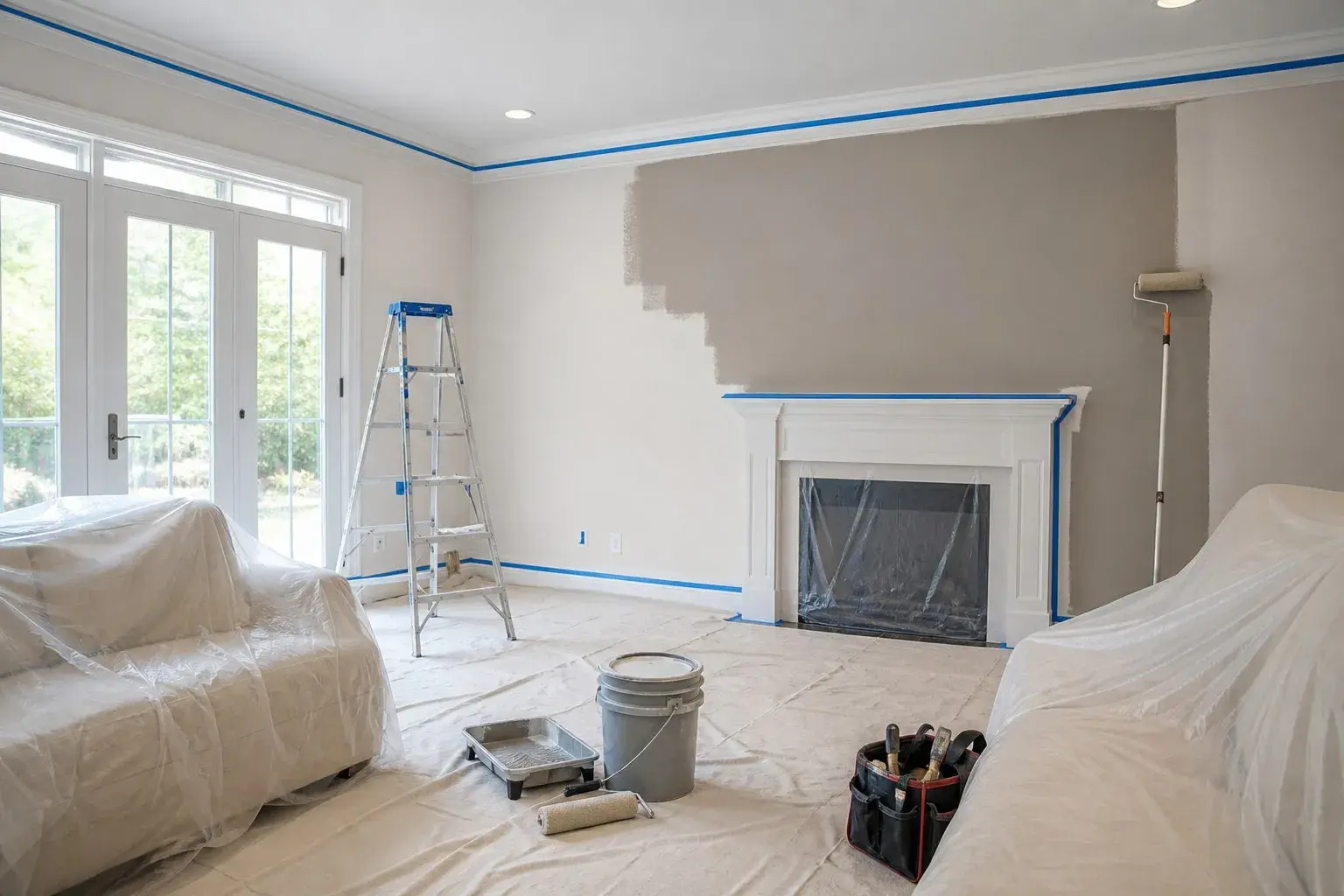
Step 4Illustrative project detail. Demonstration image. Prepare the surfaces
Assess the cleaning, sanding, and coating removal needed to produce a suitable base. Existing coatings and surface materials determine the approach.
You decide
Confirm the priorities, selections, or changes relevant to this stage before the work moves forward.
You will see
A clear record of the current scope, open questions, and next steps.
Address visible repairs
Review visible defects and agree which repairs belong in the painting scope. Refer work requiring a different specialist to the appropriate professional.
You decide
Confirm the priorities, selections, or changes relevant to this stage before the work moves forward.
You will see
A clear record of the current scope, open questions, and next steps.
Apply the specified primer
Select a primer compatible with the substrate and finish system where required. Follow the product requirements for preparation and application.
You decide
Confirm the priorities, selections, or changes relevant to this stage before the work moves forward.
You will see
A clear record of the current scope, open questions, and next steps.
Build consistent coverage
Apply the specified coating system with attention to coverage and consistency. Access, weather, and product requirements govern the working sequence.
You decide
Confirm the priorities, selections, or changes relevant to this stage before the work moves forward.
You will see
A clear record of the current scope, open questions, and next steps.
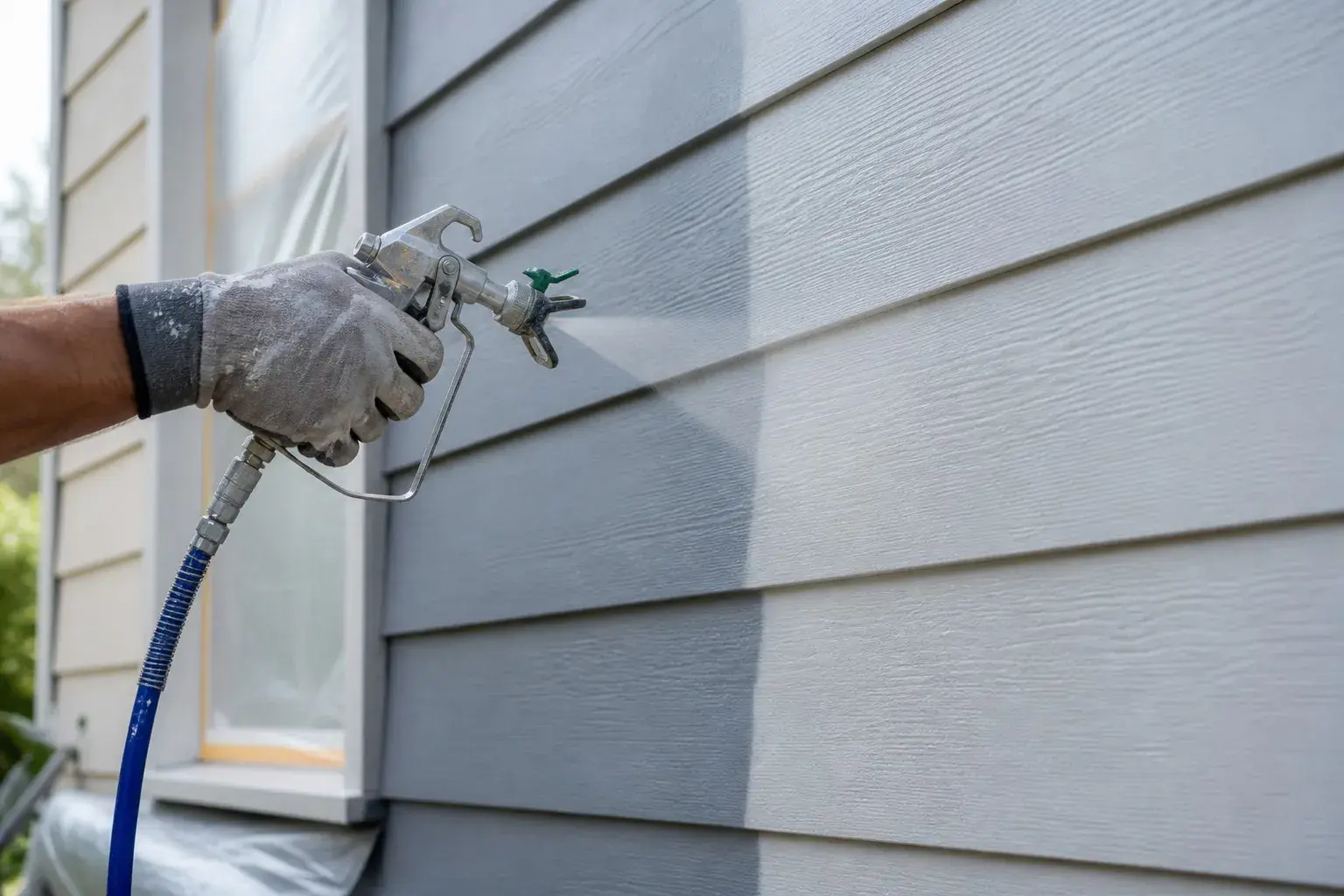
Step 8Illustrative project detail. Demonstration image. Complete the finish coats
Complete the specified finish coats after the required drying interval. Check the surface rather than relying on coat count alone to judge the result.
You decide
Confirm the priorities, selections, or changes relevant to this stage before the work moves forward.
You will see
A clear record of the current scope, open questions, and next steps.
Inspect edges and details
Review edges, transitions, hardware, and visible surfaces under appropriate lighting. Identify any areas requiring further attention.
You decide
Confirm the priorities, selections, or changes relevant to this stage before the work moves forward.
You will see
A clear record of the current scope, open questions, and next steps.
The cut lineOne pass around the casing with a 2.5-inch angled sash brush, no tape. The line is the brush, held steady and pulled once. 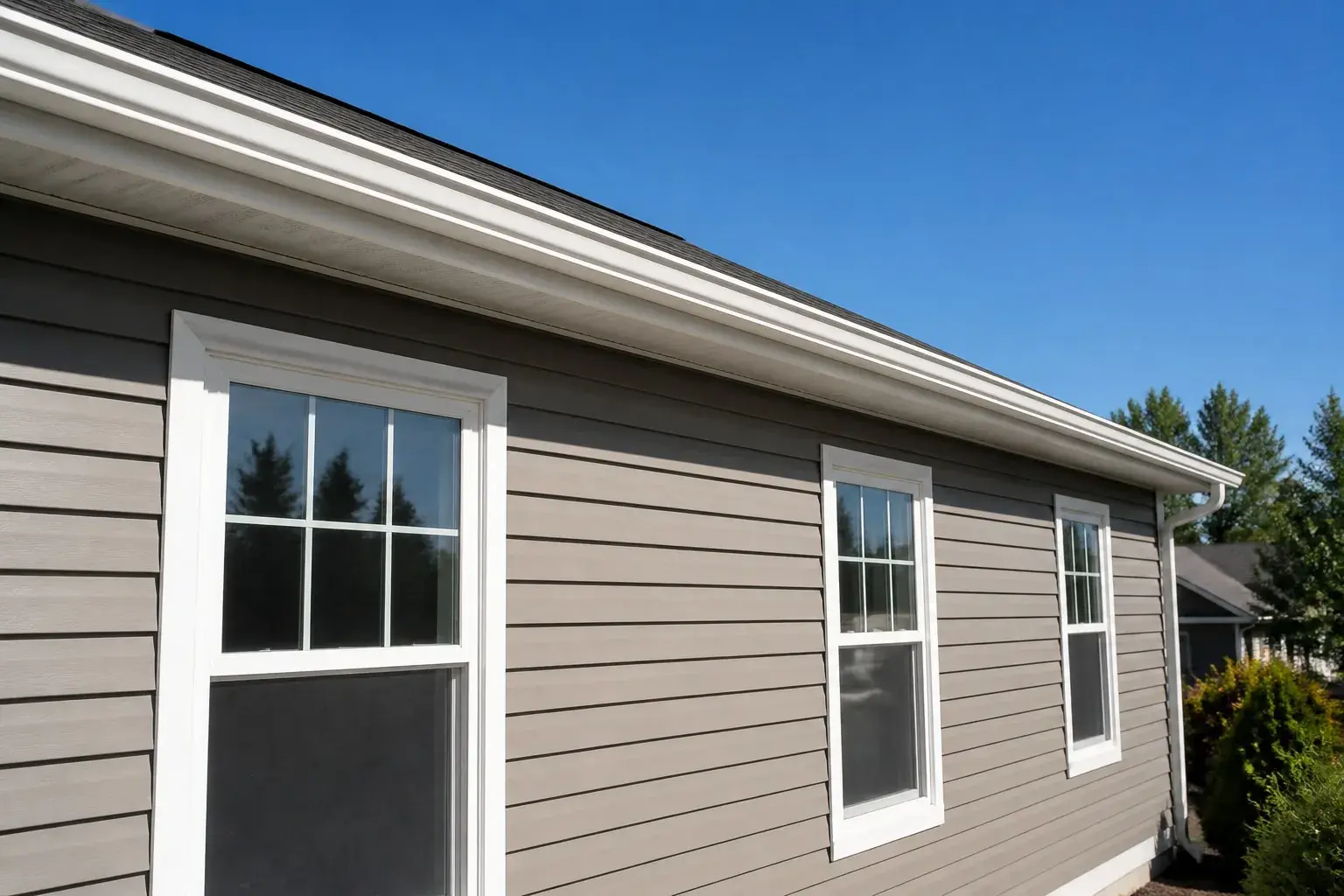
On the houseIllustrative project detail. Demonstration image. Review the completed work
Compare the completed work with the agreed scope. Document touch-ups or outstanding items and confirm the arrangements for completing them.
You decide
Confirm the priorities, selections, or changes relevant to this stage before the work moves forward.
You will see
A clear record of the current scope, open questions, and next steps.

Step 11Illustrative project detail. Demonstration image. Understand cleaning and care
Keep the product and color information for future maintenance. Follow the coating manufacturer’s guidance for curing, cleaning, and ongoing care.
You decide
Confirm the priorities, selections, or changes relevant to this stage before the work moves forward.
You will see
A clear record of the current scope, open questions, and next steps.
The shop
Know what happens next.
How it works
- Know what is included, what is optional, and what still needs investigation before comparing proposals.
- Understand the reasons behind the proposed work and the alternatives worth discussing.
- Discuss access, protection, cleanup, and disruption as part of the plan, not after work begins.
- Review the scope, price, and schedule effect of a change before authorizing it.
What we will not do
- Do not compare quotes without checking the preparation included.
- Do not select coatings without considering the existing surface.
- Do not treat a screen preview as an exact paint match.
- Do not assume concealed repairs are included in a painting scope.
Who shows up
Project contact
Clarify responsibility for scheduling, questions, and scope changes.
Painting team
Confirm who will prepare and coat each surface.
Project review
Agree how the completed finish and any outstanding items will be reviewed.
Discuss your painting project
Share the scope, your priorities, and the timing you have in mind. This inquiry form is part of the 3Fold Labs website demonstration.